IpecGlobal.com - Home

Home >> Articles >> Metal Finishing - Plating - Anodizing


TYPE I II III 1,2,3 Anodize - Quick Study
IPEC Staff   

Type I, II, III (1,2,3) Anodize on Aluminum

Scroll down to get a Free Anodize Class today!

Can you give me a quick and easy definition? What is it and can I do it in house?

A quick and easy definition will never be complete... but here goes. The following comments are a non-technical response to the question.If you want a detailed description of each process feel free to contact us for more information.

Type I (1) Anodize on Aluminum Alloys

Type 1 is anodizing that uses a chromic acid based chemical bath. Used mostly for aerospace and Defense Department requirements where a thin coating and a high level of corrosion resistance is desired. It is also used as an excellent primer for paint and other top coats.

Type II (2) Anodize on Aluminum Alloys

Type II is anodizing that uses a sulfuric acid based chemical bath. Used for general and commercial anodizing of aluminum, Type 2 is widely used for everything from toys to sporting equipment to computer hardware. The list is almost endless. Type 2 can be colored in virtually every color of the rainbow. Type 2 anodizing is usually the most affordable of the three to bring in-house.

Type III (3) Anodize on Aluminum Alloys

Also called Hard Coat anodizing, Type III anodizing is used wherever a super hard surface is required. Type 3 is used in military equipment and weapons, scratch resistant aluminum cookware, commercial pizza pans, sporting goods, bearing surfaces to name just a few. Type III is not usually colored or dyed. Darker or lighter shades of grey to black are achieved by altering temperature, voltage and bath compositions.
__________


CAN I ANODIZE IN MY SHOP ON A SMALL SCALE?

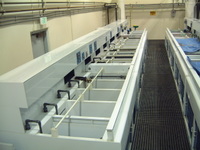
The quick answer to this is yes. Small modular anodizing systems are available and affordable. Prices for a modular system capable of anodizing small quantities of parts up to 2 cubic feet range from $20,000 to $75,000. A process line of this size usually has a foot print of under 20' long x 8' wide.

The photo shows a typical modular Type 1 anodize system for small parts. I do not recommend that you consider some of the cheap hobby shop or bucket anodizing systems that are on the internet even for prototyping. Anodizing is a serious investment using serious chemicals and is not for hobby shops or garages.


IS ANODIZING IS RIGHT FOR YOUR COMPANY?

Determining if anodizing is practical for you is quite easy but requires that you do your homework. I always ask a few questions of my clients. Why are you considering this? Are you having problems with outsource costs, availability, delivery, quality? Many times these problems can be solved by working with your vendors or finding new ones.


IS ANODIZING DIFFICULT TO LEARN?

No. Anodizing is one of easiest processes of this kind to learn. If the initial equipment is designed correctly the process itself becomes fairly routine. There are usually no proprietary chemicals or secret formulas that you will have to learn. Maintaining the baths is straight forward. Chemicals are available in most States and Cities. If you are planning on color anodizing (Type 2) you will need to have some dye tanks so the line length will increase. As in all metal finishing operations cleaning the parts properly is a must. So a series of pre-clean, de-oxidizers along with proper rinsing and post anodize sealing is essential.


WHAT ABOUT ENVIRONMENTAL AND HAZMAT?

Water Pollution - Anodizing involves rinsing and as such water becomes a concern. The waste water from rinsing can be recycled or sent to the sewer if local regulations are met.

Air pollution - Adequate ventilation is necessary. Most quality systems have ventilation hoods built in. You will need to exhaust the fumes outside of your building. This means you must purchase a corrosion resistant exhaust fan and ducting. Type 1 emits chromic acid fumes and most government agencies will require a fume scrubber, but Type 2 & 3 may not.

Hazmat - Methods of storage and safe handling of the chemicals involved is well known and documented. Specific types of containers and spill control procedures are published and regulated through you local fire department in most communities. IPEC can help you with these and all other aspects of your project. Feel free to contact us.


CAN I BRUSH ANODIZE?

Absolutely! Brush anodizing focuses on Type 1 and Type 2 clear.

The coatings are very high quality and meet most Mil and ASTM testing. Brush anodizing for Type 3 and Type 2 colors yields mixed results so we do not recommend them at this time. But brush anodizing in general does have a very strong, although small niche with almost none of the environmental or hazmat issues.


CONCLUSION

Anodizing can be done in many manufacturing operations. Under the right circumstances and proper design, it can be a very profitable addition to you company's bottom line. Like any other manufacturing process it does involve a learning curve and a complete understanding of the processes used before implementation.

TAKE A FREE CLASS ABOUT ANODIZING

If you want to learn more about doing anodizing in your company, sign-up now for our free class. Complete the form and you will receive your free class in your e-mail instantly.

:
:


________________

IPEC Global is a consulting firm for anodizing and other chemical processing systems for the metal finishing industry. They have been in business for the past 35 years and designed and build literally hundreds of anodizing facilities.


© IPEC Global, Inc. All Rights Reserved.